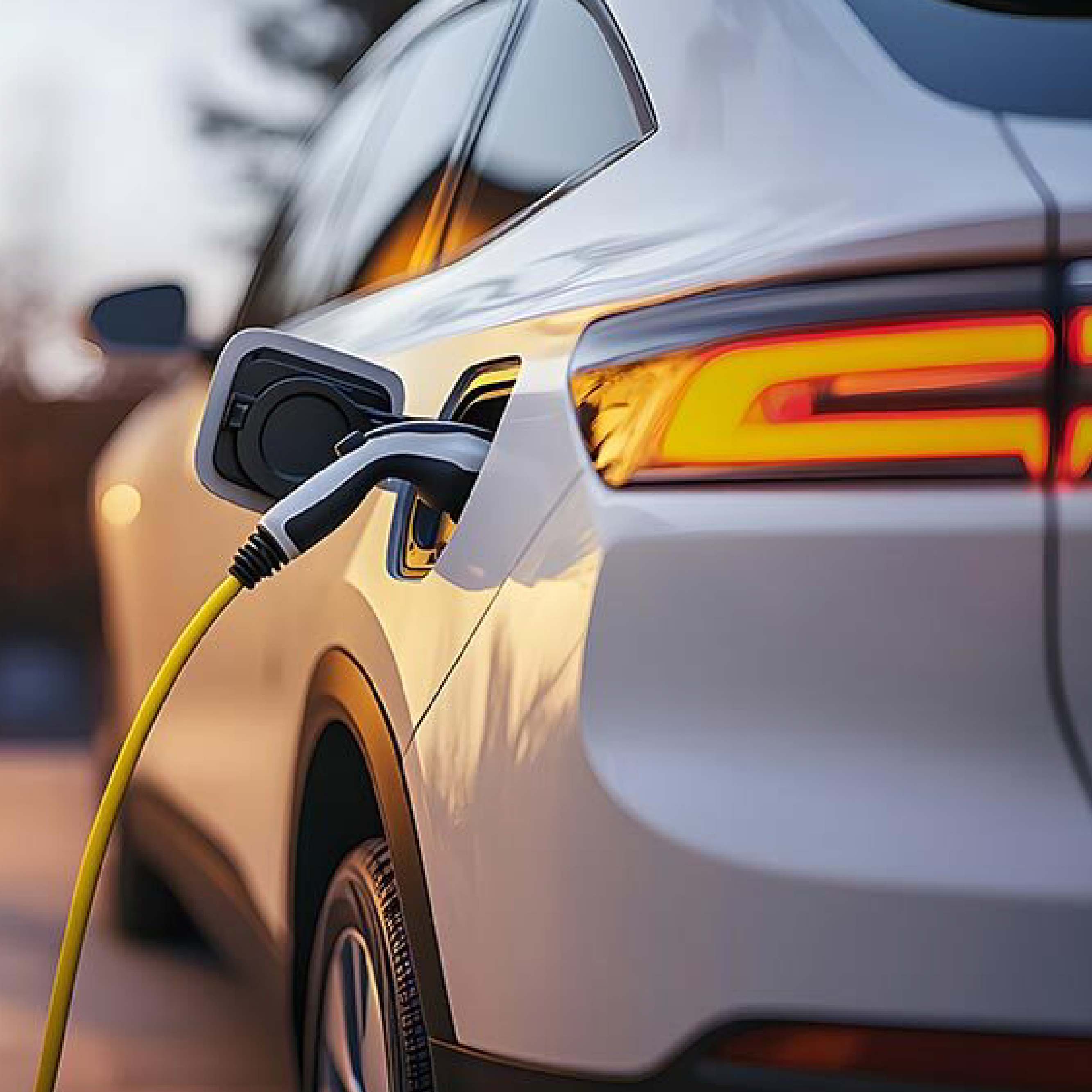
Picture this. A brand-new EV sits in the driveway. A shiny charger arrives at the front door. Confidence kicks in. A quick YouTube tutorial plays. What could go wrong?
Plenty.
DIY EV charger installation might sound like a weekend win, but that decision can spark serious electrical hazards, code violations, and expensive repairs. New Jersey homeowners face strict electrical standards, heavy power demands, and real safety risks that leave zero room for guesswork.
Let’s break down exactly why skipping a licensed residential electrician can turn a smart investment into a dangerous mistake.
EV Chargers Pull Serious Power… and Demand Serious Expertise
An EV charger does far more than plug into a wall. A Level 2 charger pulls 240 volts and often requires 40 to 60 amps of dedicated power. That amount of electricity rivals major home appliances like HVAC systems or electric dryers.
A DIY setup often misses critical factors:
- Electrical panel capacity
- Proper breaker sizing
- Load calculations across the entire home
- Heat buildup within wiring
One small miscalculation can overload a panel, trip breakers constantly, or worse, create a fire hazard behind the walls.
Licensed electricians in New Jersey perform detailed load calculations before installation to ensure the home can safely handle the additional demand without risking damage.
New Jersey Electrical Codes Leave No Room for Uncertainty
New Jersey follows the National Electrical Code along with local amendments. EV charger installation must meet strict requirements, including:
- Dedicated circuits for EV charging equipment
- Correct wire gauge based on amperage and distance
- Proper grounding and bonding
- GFCI protection where required
- Weatherproofing for outdoor installations
A DIY install often overlooks one or more of these requirements. Even a small code violation can lead to failed inspections, fines, or forced removal of the charger.
A licensed electrician understands NJ-specific permitting and inspection processes. That knowledge keeps the installation compliant from start to finish.
Permits and Inspections Protect More Than Paperwork
Skipping permits might feel like a shortcut, but that shortcut can cost thousands later.
New Jersey requires permits for EV charger installation. Local inspectors verify that wiring, breaker sizing, and safety measures meet code. Without approval, homeowners risk:
- Insurance claim denial after electrical damage
- Issues during home resale
- Municipal penalties or fines
- Required rework that costs more than proper installation
Professional electricians handle permits and inspections, ensuring everything passes the first time.
Improper Installation Can Damage Your EV… Not Just Your Home
A poorly installed charger does not just threaten the house. That setup can also harm the vehicle.
Inconsistent voltage, improper grounding, or incorrect wiring can:
- Reduce battery life
- Cause charging interruptions
- Trigger system errors in the vehicle
- Lead to costly repairs not covered under warranty
EV manufacturers expect properly installed charging equipment. A DIY mistake could void warranties and leave the owner paying out of pocket.
Outdoor Installations Add Another Layer of Risk
Many New Jersey homeowners install chargers in driveways or on exterior walls. Outdoor environments introduce moisture, temperature swings, and exposure to the elements.
DIY installs often fail to account for:
- Proper weather-rated enclosures
- Conduit protection
- Sealing against water intrusion
- Corrosion-resistant materials
Water and electricity create a dangerous combination. A professional installation ensures long-term durability and safety throughout every season.
Future-Proofing Matters More Than You Think
EV ownership continues to grow across New Jersey. Many households even plan for a second EV within a few years.
A DIY installation often focuses only on current needs. That approach can lead to:
- Insufficient panel capacity for future upgrades
- Limited charging speed
- Costly rewiring later
A licensed electrician designs a system with future expansion in mind. That foresight saves time, money, and frustration down the road.
Mistakes Cost More Than Professional Installation
Many homeowners attempt DIY installations to save money. Unfortunately, that plan often backfires because they fail to consider common hidden costs, such as:
- Panel upgrades after overload issues
- Rewiring due to incorrect installation
- Failed inspections and re-permitting fees
- Damage repairs from electrical faults
Professional installation may cost more upfront, but that investment protects the home, the vehicle, and long-term finances.
Safety Always Comes First with EV Charger Installation
Electricity does not offer second chances. Improper handling can lead to shock, burns, or fire.
Licensed electricians train extensively to handle high-voltage systems safely. That training includes:
- Correct installation techniques
- Proper use of tools and materials
- Knowledge of evolving electrical codes
A DIY attempt places personal safety at risk without that expertise.
Leave EV Charger Installation to New Jersey Professionals
EV charging technology continues to evolve, and electrical systems grow more complex every year. A safe, code-compliant installation requires experience, training, and local knowledge.
All City Electric brings years of expertise to EV charger installation across New Jersey. Every project receives careful planning, proper permitting, and precise execution. Skip the guesswork. Skip the risk. Choose a professional installation that protects your home and your investment.
Ready to install an EV charger the right way?
Call All City Electric at (908) 497-9977 to schedule a consultation and get expert, code-compliant installation you can trust.