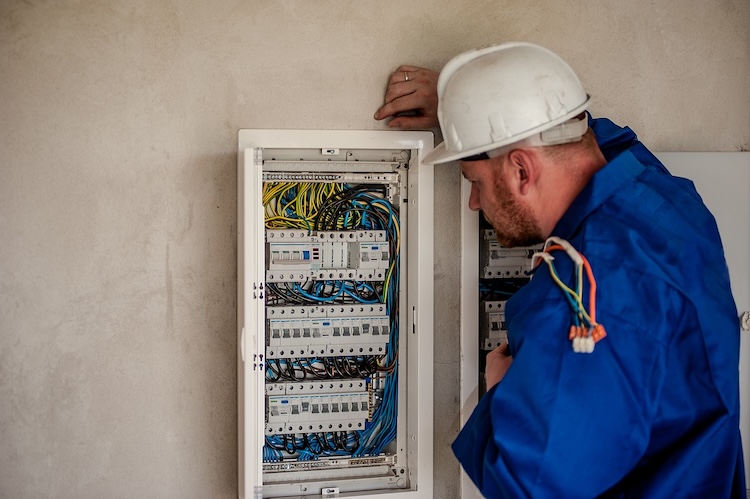
Your EV may love skipping the gas station, but your electrical panel might not share the same enthusiasm. Before a Level 2 charger starts fueling your commute from the comfort of your garage, your home electrical system needs enough muscle to handle the extra demand safely.
Homeowners must ask a simple question before scheduling an EV charger installation: Can my electrical panel handle an EV charger?
Homeowners should address this question before any electrician mounts a charger on the garage wall. A Level 2 EV charger pulls a significant amount of power for several hours at a time. A home with limited electrical capacity may need an electrical panel upgrade before charging begins safely and efficiently.
For many New Jersey homeowners, the answer depends on panel size, household electrical demand, and future energy plans. Let's break down everything you need to know before installing an EV charger.
Why EV Chargers Place New Demands on Your Electrical System
A standard Level 1 charger plugs into a regular 120-volt outlet. Charging speeds move at a snail's pace, typically adding only a few miles of driving range per hour.
Most EV owners prefer a Level 2 EV charger installation because a 240-volt charger can recharge a vehicle overnight. However, increased charging speeds require more electrical capacity.
A Level 2 charger commonly operates between 32 and 48 amps. National Electrical Code requirements treat EV charging as a continuous load, which means electricians must account for sustained power usage when evaluating a home's capacity.
Think of your electrical panel as a highway. Every appliance, HVAC system, water heater, dryer, and EV charger adds more traffic. Too many vehicles on a small highway create congestion. Too many electrical loads on an undersized panel create safety concerns.
What Does an Electrical Panel Actually Do?
Your electrical panel distributes power throughout your home. Circuit breakers protect wiring and equipment from overloads.
Most New Jersey homes fall into one of these categories:
- 100-amp service
- 150-amp service
- 200-amp service
Many older homes throughout Union County, Essex County, and surrounding North Jersey communities still operate with 100-amp panels. Newer homes often feature 200-amp service.
A larger panel does not automatically guarantee EV charger compatibility. An electrician must evaluate existing electrical demand before making that determination.
Can a 100-Amp Panel Support an EV Charger?
Many NJ homeowners ask: "Can a 100-amp panel support an EV charger?"
The answer depends on the home's existing electrical load.
A 100-amp panel that supports central air conditioning, an electric dryer, an electric range, and an electric water heater may have very little remaining capacity for a Level 2 charger. In those situations, an electrical panel upgrade often becomes necessary.
On the other hand, a home with modest electrical usage may support a lower-amperage charger without major upgrades.
Signs You May Need a Panel Upgrade for an EV Charger
Several warning signs suggest your electrical system may need attention before EV charger installation.
1) Your Home Has a 100-Amp Panel
Many older New Jersey homes received 100-amp service decades before EV charging entered the conversation.
Today's homes often power:
- Central air conditioning
- Electric dryers
- Large kitchen appliances
- Home offices
- Smart home systems
- EV chargers
Modern electrical demands frequently push older panels toward their limits.
2) Breakers Trip Frequently
Circuit breakers serve as your home's electrical bodyguards.
Frequent breaker trips suggest your panel is already working too hard. Adding an EV charger could place even more stress on the system.
3) You Plan Additional Upgrades
Many homeowners install EV chargers around the same time they are installing:
- Solar panels
- Battery backup systems
- Heat pumps
- Home additions
- Pool equipment
A panel upgrade today may prevent multiple upgrades, like installing an EV charger, down the road.
4) Your Panel Has No Available Breaker Space
Some older panels simply lack room for a dedicated EV charger circuit. Even if electrical capacity remains available, physical space limitations may require panel replacement.
How Electricians Determine Whether You Need a Panel Upgrade
A licensed electrician performs a detailed, electrical load calculation before recommending any upgrade.
The evaluation considers:
- Existing appliance loads
- HVAC equipment
- Water heating systems
- Square footage
- Future electrical demands
- Desired charger amperage
National Electrical Code load calculation methods often reveal available capacity that homeowners never knew existed. In some cases, a panel that appears overloaded on paper still supports EV charging safely through proper calculations and load management strategies.
Smart Load Management: An Alternative to a Panel Upgrade
Not every home requires a full electrical service upgrade.
Modern load management systems can monitor household electrical demand and automatically adjust EV charging output when major appliances operate. For example, a smart EV charger may temporarily reduce charging speed when an air conditioner, dryer, and oven operate simultaneously. This technology allows many homeowners to install EV chargers without upgrading service equipment.
A qualified electrician can determine whether load management makes sense for your property.
Do You Need a 200-Amp Service for an EV Charger?
Another common question: “Do I need a 200-amp service for an EV charger?”
Not always.
Many homes successfully charge EVs with 100-amp or 150-amp service. However, a 200-amp panel offers several advantages:
- Greater electrical capacity
- Better support for future EVs
- Easier solar integration
- Reduced risk of overload
- Improved resale appeal
A growing number of New Jersey homeowners choose 200-amp service upgrades while preparing for long-term electrification.
How Much Does an EV Charger Panel Upgrade Cost?
Costs vary based on:
- Existing service size
- Utility requirements
- Meter upgrades
- Permit requirements
- Panel location
- Local code requirements
Many panel upgrades fall within the $1,500 to $4,000 range, though complex projects may exceed that figure. Utility-side service upgrades can further increase costs.
The good news? A panel upgrade often supports more than just EV charging. Homeowners gain additional capacity for future technology, home improvements, and energy-efficient upgrades.
Why New Jersey Homeowners Should Work with a Licensed Electrician
New Jersey municipalities enforce electrical permitting and inspection requirements designed to protect homeowners.
A licensed electrician can:
- Perform accurate load calculations
- Verify code compliance
- Secure permits
- Install dedicated circuits
- Recommend future-ready solutions
- Ensure safe EV charger operation
DIY electrical work may cause safety risks, insurance complications, and inspection failures.
Professional installation protects both your financial investment and your family.
Panel Upgrades for EV Chargers: The Bottom Line
A Level 2 EV charger installation delivers convenience, faster charging, and long-term savings. Before plugging in, however, every homeowner should answer one important question: Can your electrical panel support the additional demand?
Some homes can handle an EV charger immediately. Other homes need a panel upgrade or smart load management solution before charging begins.
The only reliable way to know is through a professional evaluation from an experienced electrician.
Schedule Your EV Charger Assessment Today
Thinking about installing a home EV charger in Union, NJ, or anywhere throughout Union County, Essex County, Somerset County, or the surrounding areas?
The licensed team at All City Electric will evaluate your electrical panel, perform a load calculation, and determine whether your home needs a panel upgrade for EV charger installation.
Call All City Electric today at (908) 497-9977 to schedule your EV charger consultation and prepare your home for the future of driving.