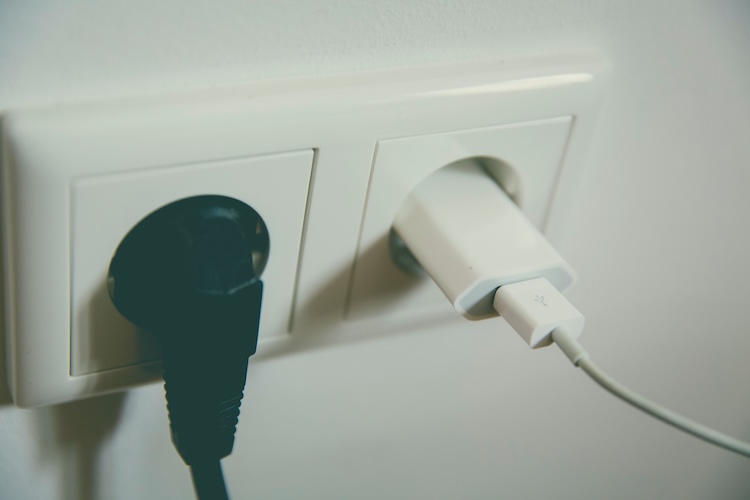
Your outlets may look innocent, but behind that little plastic faceplate lives enough drama for a home improvement reality show.
One outlet near the kitchen sink guards against shock. Another breaker in the panel listens for dangerous sparks hiding inside damaged wiring. A third device may do both jobs at once.
For New Jersey homeowners, GFCI and AFCI requirements matter for more than passing inspection. Proper protection helps reduce shock hazards, lower fire risks, and keep electrical upgrades code compliant. New Jersey currently lists the National Electrical Code, NFPA 70/2020, as the adopted electrical subcode under NJAC 5:23-3.16, with an adoption date of September 6, 2022.
That means homeowners planning renovations, panel upgrades, kitchen remodels, EV charger prep, basement finishing, or outlet replacements should understand where these safety devices belong. For peace of mind, NJ homeowners may want to consult a licensed residential electrician before tackling even a simple outlet swap.
What Does a GFCI Outlet Do?
A GFCI, short for ground-fault circuit interrupter, protects people from electric shock.
Picture electricity as a very determined commuter. Current should travel along the intended path, from the hot wire through the device and back on the neutral wire. When current leaks away from that path, possibly through water, metal, or a person, a GFCI senses the imbalance and cuts power fast.
That quick shutoff makes GFCI protection especially important near water. Bathrooms, kitchens, garages, basements, laundry areas, outdoor spaces, and other damp locations all create greater shock risk.
In everyday language, a GFCI acts like a lifeguard for your electrical system. The device watches for trouble, blows the whistle, and shuts down the party before anyone gets hurt.
What Does an AFCI Device Do?
An AFCI, short for arc-fault circuit interrupter, helps protect homes from electrical fires.
Arc faults can happen when damaged, loose, pinched, or deteriorated wiring creates dangerous sparking. Think of a frayed lamp cord behind a couch, a nail nicking a wire inside a wall, or an aging connection heating up over time. An AFCI detects patterns linked to hazardous arcing and shuts down the circuit before sparks turn into flames.
While a GFCI focuses on shock protection, an AFCI focuses on fire prevention. Both devices matter, but each device guards against a different kind of electrical villain.
GFCI vs. AFCI: The Simple Difference
Here comes the dinner-party explanation, minus the napkin diagram.
GFCI protection helps prevent shock.
AFCI protection helps prevent fires.
Dual-function protection handles both shock and arc-fault hazards on one circuit.
Some areas need GFCI protection only. Some areas need AFCI protection only. Some areas need both. Those overlap zones often include kitchens and laundry areas, depending on circuit type and location.
A licensed electrician can determine whether a project needs a GFCI receptacle, GFCI breaker, AFCI breaker, dual-function breaker, or another code-approved method. The right answer depends on circuit layout, panel compatibility, outlet location, and current code requirements.
Where NJ Homes Typically Need GFCI Protection
Under the 2020 NEC, GFCI protection applies to 125-volt through 250-volt receptacles in specified dwelling locations when supplied by single-phase branch circuits rated 150 volts or less to ground. The listed dwelling locations include bathrooms, garages, outdoors, crawl spaces, basements, kitchens, sinks, boathouses, bathtub and shower areas, laundry areas, and indoor damp or wet locations.
For homeowners, that usually means GFCI protection in places such as:
Bathrooms
Every bathroom outlet needs GFCI protection. Hair dryers, curling irons, electric razors, damp countertops, and bare feet make bathrooms a greatest-hits album of shock risk.
Kitchens
Kitchen countertop receptacles commonly need GFCI protection, and kitchen requirements have expanded across NEC cycles. Water, appliances, metal sinks, and rushed morning coffee routines make kitchens a major GFCI zone.
Garages
Garage receptacles generally need GFCI protection. Power tools, extension cords, concrete floors, freezers, garage door openers, and damp conditions all create risk.
Outdoors
Outdoor receptacles need GFCI protection. Rain, snow, sprinklers, holiday lights, power washers, and leaf blowers bring plenty of opportunities for electrical trouble.
Basements and Crawl Spaces
Basements and crawl spaces need close review, especially where moisture may appear. The 2020 NEC expanded GFCI protection to include all basements, finished and unfinished, in the dwelling-unit GFCI list.
Laundry Areas
Laundry areas need GFCI protection because washers, utility sinks, damp floors, and appliance cords all share close quarters.
Near Sinks, Tubs, and Showers
Receptacles near sinks, bathtubs, or shower stalls often need GFCI protection based on measured distance. The Code treats water-adjacent outlets with extra caution, and for good reason. Electricity and water still refuse to become friends.
Where NJ Homes Typically Need AFCI Protection
AFCI protection applies to many 120-volt, single-phase, 15- and 20-amp branch circuits supplying outlets or devices in dwelling spaces. The 2020 NEC language includes kitchens, family rooms, dining rooms, living rooms, parlors, libraries, dens, bedrooms, sunrooms, recreation rooms, closets, hallways, laundry areas, and similar rooms or areas.
That broad list surprises many homeowners. AFCI protection no longer belongs only to bedrooms. Modern code treats arc-fault protection as a major safety requirement throughout common living spaces.
AFCI protection commonly matters in:
Bedrooms
Bedroom circuits have long carried AFCI requirements because cords, lamps, space heaters, and furniture can create hidden hazards.
Living Rooms and Family Rooms
Entertainment centers, chargers, lamps, extension cords, and older wiring can create arc-fault risk. A cozy movie night should not come with a behind-the-wall spark show.
Dining Rooms
Dining rooms often have receptacles, lighting, and sometimes older circuits tied into nearby spaces. AFCI protection helps reduce fire risk in those circuits.
Hallways and Closets
Hallways and closets may look low risk, but wiring damage can happen anywhere. AFCI protection watches the circuit, not the room’s personality.
Kitchens and Laundry Areas
Kitchens and laundry areas often need careful planning because GFCI and AFCI rules can overlap. A dual-function breaker may provide a clean solution when a circuit needs both types of protection.
Do Replacement Outlets Need GFCI or AFCI Protection?
Many homeowners ask this question during quick repairs: “Can I just replace the old outlet?”
Sometimes, yes. Sometimes, not without adding protection.
Replacement rules can trigger GFCI or AFCI requirements, especially when an outlet sits in a location that current code protects. For example, replacing a standard receptacle in a bathroom, garage, kitchen, basement, or laundry area may require GFCI protection. Replacing receptacles on circuits in AFCI-required areas can also raise AFCI considerations.
That means a simple outlet replacement can uncover a bigger code issue. Nobody loves that plot twist, but ignoring the problem can create inspection, insurance, and safety concerns.
Can One Device Provide GFCI and AFCI Protection?
Yes. Electricians often use dual-function breakers or other approved methods when a circuit needs both GFCI and AFCI protection.
This solution can make sense in kitchens, laundry areas, and certain renovated spaces. A dual-function breaker monitors both ground faults and arc faults from the panel. That setup can reduce wall clutter and help protect the entire branch circuit, not just one outlet location.
However, panel compatibility matters. Some older electrical panels may not accept modern AFCI, GFCI, or dual-function breakers. In those cases, a licensed electrician may recommend panel upgrades, subpanel work, rewiring, or another code-compliant approach.
Translation: the breaker aisle at the hardware store should not become a choose-your-own-adventure book.
Why Older NJ Homes Often Need Extra Attention
New Jersey has plenty of charming older homes. However, it is not uncommon for these older properties to have ungrounded receptacles, outdated panels, crowded circuits, aluminum wiring concerns, old cloth-covered wiring, missing GFCI protection, missing AFCI protection, or DIY fixes from a mysterious previous owner named “probably YouTube.”
Luckily, a licensed residential electrician can evaluate:
- Existing outlet locations
- Panel capacity and breaker compatibility
- Grounding and bonding
- Circuit loads
- GFCI and AFCI requirements
- Permit needs
- Code-compliant replacement options
- Safety concerns hidden behind finished walls
For NJ homeowners planning a remodel, basement finish, kitchen upgrade, bathroom renovation, generator installation, or EV charger installation, that home evaluation can be a critical factor in preventing delays and failed inspections.
GFCI Outlet or GFCI Breaker: Which Option Works Better?
Both options can provide GFCI protection when installed correctly.
A GFCI receptacle protects that outlet and may protect downstream outlets when wired properly. A GFCI breaker protects the entire circuit from the panel. The best choice depends on accessibility, circuit design, appliance type, location, panel compatibility, and nuisance-tripping concerns.
For example, a bathroom outlet may use a GFCI receptacle. A kitchen appliance circuit, garage circuit, outdoor circuit, or 240-volt circuit may need a breaker-based solution. Each home deserves a project-specific answer.
The same concept applies to AFCI protection. AFCI breakers often provide circuit-wide protection, but the correct installation method depends on code rules and existing wiring conditions.
Common GFCI and AFCI Mistakes Homeowners Make
A little knowledge helps. A little overconfidence can trip more than a breaker. Here are some common mistakes made by homeowners.
Mistake 1: Replacing a GFCI Outlet with a Standard Outlet
That “annoying” outlet may trip because the device detects a real problem. Swapping a standard receptacle into a protected location removes the required protection and increases risk.
Mistake 2: Ignoring the TEST Button
GFCI outlets have TEST and RESET buttons for a reason. Homeowners should use the TEST button on their GFCI devices regularly according to the manufacturer's instructions. A dead GFCI device may look normal until danger arrives.
Mistake 3: Assuming Every Three-Prong Outlet Has Proper Grounding
A three-prong face does not guarantee proper grounding. Older homes sometimes have three-prong receptacles installed on ungrounded wiring. That shortcut creates false confidence.
Mistake 4: Treating Breaker Trips Like a Personality Flaw
Frequent GFCI or AFCI trips deserve professional attention. Moisture, damaged cords, failing appliances, shared neutrals, wiring defects, or overloaded circuits can trigger repeated trips.
Mistake 5: Skipping Permits for Bigger Electrical Work
Outlet replacement may seem small, but larger upgrades often require permits and inspections. Local code officials, also called the authority having jurisdiction, enforce requirements. NJ homeowners should not assume every town handles every project the same way.
Why Code Compliance Protects More Than an Inspection Sticker
Code-compliant GFCI and AFCI protection can help protect people, property, and resale value.
Electrical inspections exist because hidden hazards can cause real harm. A missing GFCI near water can increase shock risk. Missing AFCI protection on a required circuit can increase fire risk. Improper DIY wiring can create both problems at once, which gives nobody a gold star.
Code compliance also matters during:
- Home sales
- Renovations
- Insurance claims
- Permit closeouts
- Rental property maintenance
- Appliance upgrades
- EV charger installation planning
- Panel replacement projects
A properly protected electrical system gives homeowners peace of mind. That peace of mind beats the thrill of wondering why one outlet smells warm.
What About the 2023 NEC?
The NEC updates every three years, and the 2023 NEC expanded several GFCI and AFCI concepts. However, New Jersey’s DCA currently lists the 2020 NEC as the adopted electrical subcode for New Jersey.
That distinction matters. The “latest NEC” and the “currently adopted NJ electrical subcode” may not mean the same thing. A licensed NJ electrician can confirm which requirements apply to a specific project, municipality, permit application, and inspection.
For homeowners, the safest move sounds simple: follow New Jersey’s adopted code, respect local enforcement, and choose upgrades that support modern safety.
When Should You Call a Licensed NJ Electrician?
Call a licensed electrician when:
- GFCI outlets trip repeatedly
- AFCI breakers trip without an obvious cause
- Outlets near water lack GFCI protection
- Older rooms lack AFCI protection after renovation work
- A basement, kitchen, bathroom, or laundry room needs updates
- A home still has two-prong outlets
- A panel lacks room for modern protective breakers
- A home inspection flagged outlet or breaker issues
- A DIY electrical project started with confidence and now involves sparks, silence, or regret
Make Your Outlets Safer, Smarter, and Code Compliant
GFCI and AFCI protection may not sound glamorous, but these devices do serious work. GFCI protection helps guard against shock. AFCI protection helps guard against electrical fires. Together, those safety upgrades help New Jersey homes meet modern code expectations and protect the people who live inside.
Before replacing outlets, remodeling a room, finishing a basement, upgrading a panel, or troubleshooting nuisance trips, bring in a licensed professional who understands New Jersey electrical code.
For safe, code-compliant electrical work in New Jersey, call All City Electric today at (908) 497-9977.