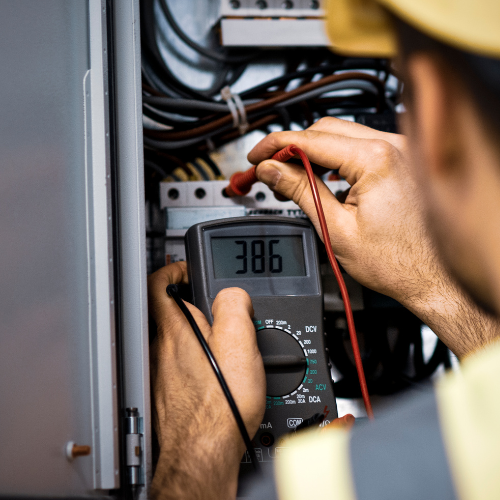
A circuit breaker that keeps tripping usually points to a clear issue within your electrical system. Whether it happens during everyday use or when specific appliances run, repeated trips signal that something needs attention.
Understanding what’s causing the problem helps you fix it properly and avoid more serious electrical issues down the line.
What Does a Tripping Breaker Mean?
A circuit breaker acts like a bodyguard for your electrical system. When electrical flow climbs past safe limits, the breaker shuts everything down to prevent overheating, fire hazards, or damaged wiring.
Frequent trips point to an underlying issue that demands attention. Ignoring the problem can lead to bigger headaches and costly repairs.
The Most Common Reasons Your Breaker Keeps Tripping
1. Circuit Overload: Too Much Power, Not Enough Capacity
Plug in a space heater, microwave, and coffee maker on the same circuit, and trouble starts brewing. Each device pulls power, and that demand stacks up quickly.
When demand exceeds the circuit capacity, the breaker trips to protect wiring from overheating.
Signs of an overloaded circuit:
- Breaker trips when multiple appliances run at once
- Lights dim when large devices turn on
- Outlets feel warm to the touch
What to do:
- Spread appliances across different outlets
- Avoid running high-power devices on the same circuit
- Consider adding dedicated circuits for heavy-use equipment
2. Short Circuit: A Fast Track to Trouble
A short circuit occurs when a hot wire touches a neutral wire. That contact creates a surge of electricity that the system cannot handle.
This scenario often causes an immediate trip the moment a device turns on.
Here’s some warning signs to watch out for:
- Burning smell near outlets or panel
- Scorch marks on outlets
- Breaker trips instantly after reset
Here’s what to do next:
- Unplug devices connected to the affected circuit
- Inspect cords for visible damage
- Call a licensed electrician for a full inspection
3. Ground Fault: Electricity Takes a Dangerous Detour
A ground fault happens when electricity escapes the intended path and travels into the ground. Kitchens, bathrooms, and outdoor outlets face higher risk due to moisture exposure.
Ground fault circuit interrupters, also known as GFCIs, shut off power instantly to prevent shock.
Signs of a ground fault:
- Breaker trips in areas with water exposure
- GFCI outlets refuse to reset
- Tingling sensation when touching appliances
What to do next:
- Keep outlets dry and protected
- Test GFCI outlets regularly
- Schedule professional troubleshooting if problems continue
4. Faulty Appliances: The Hidden Culprit
Sometimes the breaker behaves perfectly, but an appliance causes the problem. Internal wiring faults or aging components can trigger repeated trips.
How to safely and quickly check your appliances:
- Unplug all devices on the circuit
- Reset the breaker
- Plug devices back in one at a time
If the breaker trips after plugging in a specific device, that appliance likely needs repair or replacement.
5. Aging or Damaged Wiring
Older homes often struggle with outdated wiring that cannot handle modern electrical demands. Damaged insulation or loose connections can also cause repeated trips.
Clues to watch for:
- Frequent breaker trips without clear cause
- Flickering lights
- Crackling sounds from outlets
What to do next:
- Schedule a professional electrical inspection
- Upgrade outdated wiring if necessary
6. A Worn-Out Circuit Breaker
Circuit breakers don’t last forever. Years of use can wear down internal components, leading to nuisance tripping even under normal conditions.
Signs of a failing breaker:
- Breaker feels loose or won’t stay reset
- No clear overload or fault present
- Panel shows signs of age or corrosion
What to do next:
- Replace the faulty breaker with a licensed electrician
Quick Troubleshooting Steps You Can Try
Before picking up the phone, try these safe and simple steps:
- Turn off and unplug everything on the affected circuit
- Reset the breaker
- Plug devices back in one by one
- Watch for patterns that trigger another trip
If the breaker continues to trip, stop troubleshooting and call a professional. Electrical systems don’t reward guesswork.
When to Call a Licensed Residential Electrician
Some problems demand expert attention right away:
- Burning smells or visible damage
- Breaker trips instantly after reset
- Repeated trips with no clear cause
- Older electrical panels or outdated wiring
A licensed electrician can diagnose the issue, ensure code compliance, and restore safe operation.
Keep Your Power Flowing Safely with Expert Support
A tripping circuit breaker might feel like a nuisance, but that small switch plays a critical role in protecting your home. Addressing the root cause early can prevent electrical fires, damaged appliances, and major repair bills.
Tired of playing hide-and-seek with your breaker panel? Let the professionals handle any heavy lifting.
All City Electric brings years of experience, safe solutions, and code-compliant workmanship to every job. Whether you need a quick fix or a full electrical upgrade, expert help stands just one call away.
Call All City Electric today at (908) 497-9977 and get your power back on track.