Between laptops, smart TVs, phone chargers, air fryers, space heaters, gaming systems, EV chargers, hair dryers, holiday lights, and that one mystery appliance humming in the basement, modern homes demand more electricity than ever. Older New Jersey homes often carry an even heavier burden because many electrical systems came from an era when “high-tech” meant one television, one toaster, and maybe a fancy clock radio.
When a home’s electrical system carries more demand than the wiring, circuits, or panel can safely handle, warning signs often appear before bigger problems develop. Some signs whisper, while others shout. Some signs smell like burning plastic, which counts as your home’s less-than-charming way of asking for help.
Below, we break down how homeowners can spot an overloaded electrical system, what causes electrical overloads, and when to call a licensed New Jersey electrician before a small warning sign turns into a big, expensive headache.
What Does an Overloaded Electrical System Mean?
An electrical overload happens when a circuit or electrical panel handles more power demand than the system can safely support. Think of a circuit like a highway. A few cars move smoothly. Add too many cars, trucks, buses, and one guy trying to merge with no blinker, and the whole road starts struggling.
Your electrical system works the same way. Every circuit supports a limited amount of electrical current. When appliances, devices, lighting, and heating equipment draw too much power from the same circuit, the wiring can overheat. Circuit breakers should trip to stop that dangerous flow of electricity. When breakers trip often, your electrical system may have started waving a red flag.
The Electrical Safety Foundation International warns that overloaded circuits contribute to residential electrical fires and recommends avoiding overloaded outlets, extension cords, and circuits. The U.S. Fire Administration also recommends plugging major appliances directly into wall outlets rather than using extension cords, as overloaded cords can overheat and start fires.
Signs Your Home’s Electrical System is Overloaded
1. Circuit Breakers Keep Tripping
A tripped breaker can feel annoying, especially when the power cuts out mid-Zoom call and leaves your frozen face looking deeply concerned. But a breaker trip serves a purpose; it shuts off power when a circuit pulls more current than the circuit can safely handle.
One tripped breaker during a rare electrical surge may not signal a major problem. But a breaker that trips repeatedly, especially when the same appliance runs, deserves attention.
Common examples include:
- The microwave trips the kitchen breaker.
- The space heater shuts off the bedroom power.
- The hair dryer turns off the bathroom lights.
- The garage freezer and power tools refuse to coexist peacefully.
- The AC unit causes lights to dim before the breaker trips.
Never keep resetting a breaker without investigating the cause. A breaker that trips again and again may point to circuit overload, damaged wiring, a faulty appliance, or a panel that no longer supports the home’s electrical demand.
2. Lights Flicker, Dim, or Act Dramatically
Lights should not behave like a haunted house attraction every time the refrigerator starts. Occasional dimming during a major appliance startup can happen, but frequent flickering or dimming can signal an overloaded circuit, loose wiring, voltage fluctuation, or an aging electrical panel.
Pay attention when lights flicker during specific activities, such as:
- Running the microwave
- Starting the vacuum
- Turning on a space heater
- Using a hair dryer
- Starting central air conditioning
- Charging an EV
- Running multiple kitchen appliances at once
The National Fire Protection Association highlights electrical appliances and electronics as potential fire hazards when homeowners misuse electrical equipment or ignore safety basics. Flickering lights may look minor, but that warning sign deserves a professional evaluation when the pattern continues.
3. Outlets Feel Warm or Look Discolored
A warm outlet should never become part of your home’s “cozy ambiance.” Outlets, switches, and cover plates should stay cool during normal use. Heat around an outlet can signal too much electrical load, loose wiring, damaged connections, or failing components.
Watch for:
- Warm outlet covers
- Brown or black marks around outlets
- Melted plastic
- Scorch marks
- Sparks when plugging in devices
- Plugs that feel hot after use
Discoloration often means heat has already affected the outlet or surrounding materials. That warning sign needs prompt attention from a licensed residential electrician. Do not ignore heat around electrical components, and do not cover the outlet with furniture while hoping for the best. Furniture makes a terrible safety plan.
4. You Smell Burning Plastic or Smoke
A burning smell near outlets, switches, appliances, or the electrical panel needs immediate action. Shut off power to the affected area if you can do so safely and unplug nearby devices if the situation allows. Call a licensed residential electrician right away, and call emergency services if smoke, flames, or an active fire appear.
Electrical burning odors can come from overheating wires, melting insulation, overloaded circuits, faulty outlets, or damaged appliances. The smell could fade after a few minutes, but the danger may remain behind the wall.
In plain terms: your nose should never detect your wiring.
5. Buzzing, Crackling, or Sizzling Sounds
Electricity should not sound like bacon in a skillet. Buzzing, crackling, sizzling, or popping noises near outlets, switches, lights, or the breaker panel can indicate loose connections, arcing, overloaded circuits, or damaged equipment.
Call a residential electrician when you hear:
- Buzzing from the breaker box
- Crackling inside a wall switch
- Sizzling near an outlet
- Popping when plugging in appliances
- Humming that grows louder under heavy electrical use
A healthy electrical system usually operates quietly. As such, strange noises deserve quick attention because electrical arcing can generate intense heat and increase fire risk.
6. Extension Cords and Power Strips Do Too Much Heavy Lifting
Extension cords work best as temporary helpers, not permanent members of the household staff. A living room full of daisy-chained power strips may look like a tech command center, but that setup can overload outlets and create fire hazards.
Warning signs include:
- Multiple power strips connected together
- Extension cords running under rugs
- Space heaters plugged into power strips
- Major appliances connected through extension cords
- Cords that feel warm during use
- Outlets with every slot filled every day
The U.S. Fire Administration advises homeowners to plug major appliances, including refrigerators, stoves, washers, and dryers, directly into wall outlets rather than extension cords. Major appliances draw too much power for most extension cords and can cause overheating.
A good rule: if a room needs permanent extension cords to function, the room probably needs more outlets or dedicated circuits.
7. Appliances Run Poorly or Shut Off Unexpectedly
Overloaded circuits can make appliances act strangely. A device may run weakly, shut off, restart, or struggle when another appliance turns on. Your blender should not sound like a tired lawn mower just because someone started the toaster.
Look for patterns like:
- The microwave loses power when the coffee maker runs.
- The vacuum sounds weak in one room but normal elsewhere.
- The air conditioner causes other devices to shut off.
- Computers restart during heavy appliance use.
- Kitchen appliances compete for power.
These symptoms may point to overloaded circuits, poor voltage stability, loose connections, or wiring issues. A licensed residential electrician can test the circuit and determine whether your home needs a dedicated circuit, panel upgrade, outlet repair, or wiring correction.
8. The Electrical Panel Feels Outdated
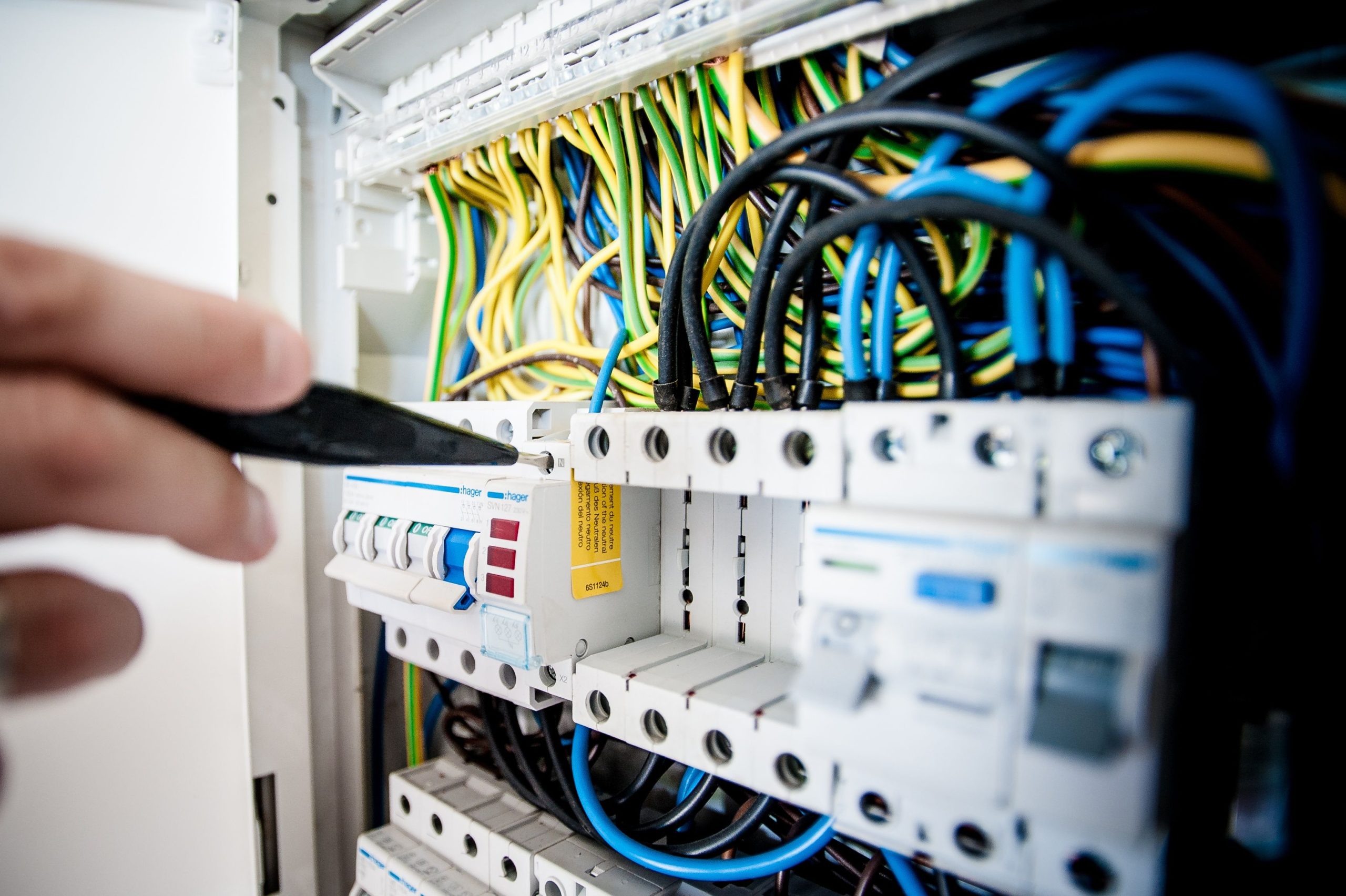
Your electrical panel acts as the control center for your home’s power. When the panel lacks enough capacity for modern electrical demand, overload symptoms often appear throughout the home.
Older New Jersey homes may still rely on panels that served previous generations just fine. But yesterday’s electrical needs did not include EV chargers, central air, home offices, high-powered kitchen appliances, hot tubs, security systems, and enough chargers to support a small airport lounge.
Signs your panel may need attention include:
- Frequent breaker trips
- A panel that feels warm
- Rust or corrosion
- Buzzing sounds
- Burning smells
- Breakers that no longer reset properly
- No room for additional circuits
- Old fuse boxes
- Heavy reliance on extension cords
- Plans for an EV charger, generator, addition, or major appliance upgrade
It’s worth noting that aging New Jersey homes often benefit from panel and capacity evaluations, grounding and bonding upgrades, surge protection, GFCI and AFCI protection, dedicated circuits, and targeted rewiring where needed.
9. High-Demand Appliances Share the Same Circuit
Some appliances draw a lot of power. When several high-demand appliances share one circuit, overload problems can develop quickly.
Common high-demand devices include:
- Space heaters
- Hair dryers
- Microwaves
- Toasters
- Air fryers
- Coffee makers
- Window AC units
- Dehumidifiers
- Refrigerators
- Freezers
- Sump pumps
- EV chargers
- Power tools
- Laundry equipment
Heat-producing appliances often create the biggest strain. A toaster, air fryer, and microwave may form the breakfast dream team, but one overloaded kitchen circuit may strongly disagree.
Dedicated circuits give major appliances safer, more reliable power. Kitchens, laundry rooms, garages, basements, HVAC systems, EV chargers, and home offices often need special attention from a licensed residential electrician.
10. Your Home Has Grown, But Your Electrical System Has Not
Homes change over time. Families add finished basements, home offices, outdoor kitchens, new HVAC systems, EV chargers, workshops, pool equipment, smart devices, and larger appliances. The electrical panel, however, may still operate with the same capacity from decades ago.
That mismatch can create overload risks.
Your electrical system may need an evaluation after:
- Finishing a basement
- Renovating a kitchen
- Adding a home office
- Installing central air
- Buying an EV
- Installing a hot tub or pool equipment
- Adding major appliances
- Converting a garage into usable space
- Installing a generator
- Adding security cameras or smart home equipment
All City Electric provides turnkey EV charger installation and electrical services throughout New Jersey, including panel upgrades and capacity evaluations for homeowners preparing for larger electrical loads.
How a Licensed Residential Electrician Checks for Overload Problems
A licensed residential electrician does more than look at the panel and say, “Yep, that looks electrical.” A professional evaluation may include:
- Load calculations
- Breaker panel inspection
- Circuit testing
- Outlet and switch inspection
- Wiring evaluation
- Grounding and bonding review
- GFCI and AFCI protection checks
- Dedicated circuit recommendations
- Panel upgrade recommendations
- Code compliance review
- EV charger readiness evaluation
This inspection helps identify whether the home needs simple repairs, added circuits, outlet replacements, rewiring, or a service panel upgrade.
Keep Your Home Powered Without the Drama
Your electrical system should support daily life safely, quietly, and reliably. Breakers should not trip every time breakfast gets ambitious. Lights should not flicker like a spooky movie, and outlets definitely should not feel warm enough to toast a bagel.
If your New Jersey home shows signs of electrical overload, All City Electric can help you find the cause and choose the right solution. From panel evaluations and dedicated circuits to electrical upgrades and EV charger readiness, All City Electric helps homeowners bring their electrical systems up to modern demand.
Ready to stop guessing and start powering your home safely? Call All City Electric today at (908) 497-9977 to schedule an electrical evaluation.