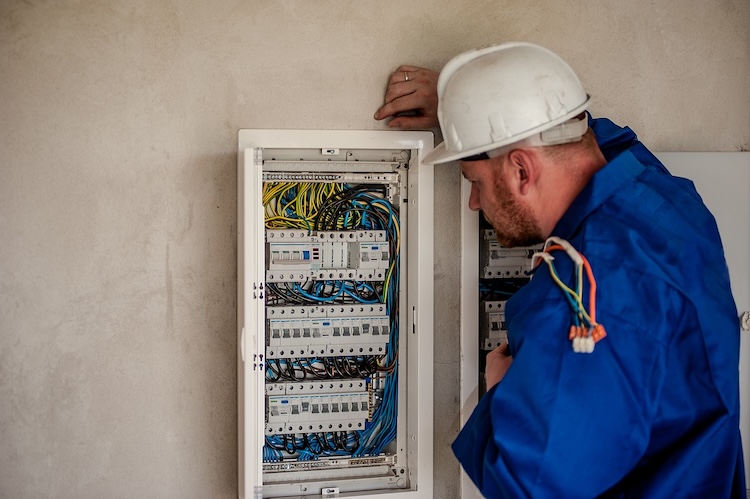
That metal box tucked away in your basement probably doesn't cross your mind often. Most homeowners only notice it when a breaker trips, or the lights start acting up. But your electrical panel quietly runs everything in your home, and like most things, it doesn't last forever.
So how old is too old? That's worth knowing before a problem forces the question. Let's break that down in a way that actually helps.
How Long Does an Electrical Panel Last?
Electrical panels don’t come with an expiration date stamped on the front, but you can expect most to deliver reliable service for 25 to 40 years under normal conditions.
Age alone doesn’t tell the full story of your electrical panel. Usage patterns, home upgrades, and installation quality all play a role. A lightly used panel from 1995 might still perform well, while a heavily stressed panel from 2005 might already struggle.
Think of a panel like a car: mileage matters just as much as the year.
Why Older Panels Struggle in Modern Homes
Homes from the 1980s or 1990s were never planned for today’s electrical demand. Back then, there were no electric vehicles, smart devices, or high-efficiency HVAC systems that consumed power all day.
Fast forward to today, and that same panel handles:
- EV chargers
- Large kitchen appliances
- Home offices with multiple screens
- Smart home systems
- High-powered HVAC units
When older panels lack the capacity to keep up, that mismatch leads to overheating, frequent breaker trips, and long-term wear.
Warning Signs Your Panel Has Aged Out
A panel rarely fails without warning. Most systems send clear signals before bigger problems show up.
Watch for these red flags:
1. Breakers Trip Frequently
Occasional tripping protects your home. Constant tripping signals overload or internal wear.
2. Lights Flicker or Dim
Notice lights dimming when appliances turn on? That behavior points to poor power distribution.
3. Burning Smell or Warm Panel Surface
Heat and electricity don’t mix well. A warm panel or burning odor demands immediate attention.
4. Rust or Corrosion
Moisture exposure leads to corrosion, which weakens connections and increases fire risk.
5. Outdated Brands or Designs
Certain older panels, like Federal Pacific or Zinsco models, carry known safety concerns and often fail to trip properly.
When Age Turns into a Safety Risk
A panel past the 30-to-40-year range often brings higher risk, even without obvious signs.
Internal components wear down over time. Connections loosen. Breakers lose reliability. When a breaker fails to trip during an overload, wiring can overheat and spark a fire.
According to fire safety research, electrical distribution systems rank among leading causes of residential fires in the United States. Aging panels contribute heavily to that risk.
Panel Size Matters Just as Much as Age
Older homes often feature 100-amp panels. That capacity worked decades ago. Modern homes typically require 200 amps or more.
A small panel forces circuits to work harder than designed. That stress speeds up wear and increases the chance of failure.
If your home includes any of the following, a panel upgrade likely makes sense:
- EV charger installation
- Home addition or renovation
- New HVAC system
- Major kitchen upgrade
Repair or Replace: What Makes More Sense?
A quick repair might solve minor issues, but repairs won’t reverse the age of your electric panel.
A new panel delivers better performance, improved safety, and room for future upgrades.
Choose replacement when:
- Panel age exceeds 25 to 30 years
- Frequent electrical issues disrupt daily life
- Capacity no longer supports modern needs
- Safety concerns show up
Benefits of Upgrading Your Electrical Panel
A panel upgrade does more than fix problems. That upgrade sets your home up for the future.
Here’s what homeowners gain:
- Improved safety with modern breaker technology
- Higher capacity for today’s electrical demands
- Better energy efficiency
- Support for EV chargers and smart home systems
- Increased home value and buyer appeal
Many insurance providers also prefer updated electrical systems, which can help with coverage and premiums.
Don’t Wait for Your Electric Panel to Fail
A panel rarely announces failure with perfect timing. Waiting for a major issue often leads to emergency repairs, higher costs, and unnecessary stress.
A proactive inspection gives you control. A licensed electrician can evaluate panel age, condition, and capacity in a single visit.
Not Sure Where Your Panel Stands? Let’s Find Out
Age alone doesn’t determine failure, but age combined with modern demand creates real risk. Once a panel approaches the 25-to-40-year range, a closer look makes sense. Add warning signs or increased electrical usage, and replacement quickly becomes the smarter move.
Your electrical panel protects your home every second of the day. Give that system the attention it deserves before problems start.
If your panel shows signs of age or struggles to keep up with your home needs, don’t wait for a bigger issue. Call All City Electric at (908) 497-9977 to schedule a professional panel inspection or upgrade. A safer, more reliable home starts with the right electrical system.