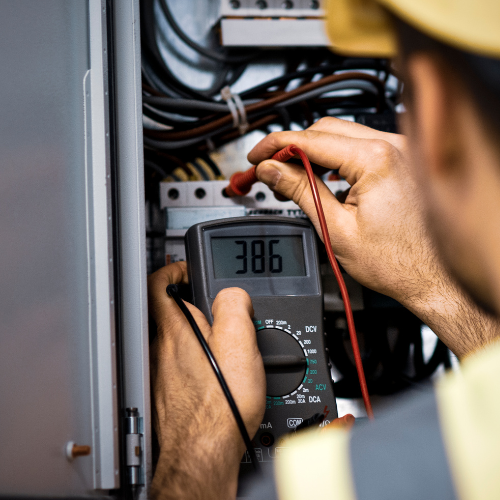
Aluminum wiring can turn a normal outlet into a tiny space heater with terrible manners.
Homeowners across New Jersey still run into aluminum branch-circuit wiring, especially in houses built or renovated during the late 1960s through the early 1970s, when builders chased lower material costs during copper shortages. National safety research links older “pre-1972” aluminum wiring to a dramatically higher chance of overheating at receptacle connections, which is why residential electricians in Short Hills, Clark, Union, and other NJ communities often recommend upgrading from aluminum wiring.
Aluminum wiring does not guarantee disasters. Still, aluminum wiring does demand respect, proper devices, proper connectors, correct torque, and a licensed electrician who treats every connection like a mission-critical landing gear bolt.
Aluminum Wiring: The Quick Backstory
During the 1960s and early 1970s, builders installed solid aluminum conductors for 15-amp and 20-amp branch circuits in many U.S. homes. Safety investigations later tied many incidents to failing connections at outlets, switches, and splices. The U.S. Consumer Product Safety Commission documents those hazards and the mechanisms behind overheating connections.
The Real Danger Lives in Connections, Not Inside the Wall
Most aluminum-wiring problems start at termination points: receptacles, switches, light fixtures, junction boxes, and panel connections. A safe conductor on paper can still create a hazardous connection in the real world.
1) Aluminum Expands & Contracts More Than Copper
Heating and cooling cycles from everyday electrical loads can loosen terminal screws over time. A loose connection raises resistance. Higher resistance creates heat. Heat loosens the connection further. That cycle can keep escalating.
2) Aluminum Oxidation Boosts Resistance
Aluminum forms an oxide layer that resists electrical flow. Higher resistance at a termination point can trigger overheating at the exact place where plastic, dust, wood framing, or insulation might sit nearby.
3) “Cold Flow” Reduces Clamping Force
Aluminum can slowly deform under pressure, which reduces contact pressure under screws and terminals over time. Reduced pressure also increases resistance and heat.
4) Old Devices Never Designed for Aluminum
Many older outlets and switches lack terminals engineered for proper aluminum maintenance. A mismatch between conductor and device can invite arcing, overheating, and damage.
How Risky Can Aluminum Wiring Get?
A CPSC survey (Franklin Research Institute) found a striking result: homes built before 1972 with aluminum wiring proved 55 times more likely to have at least one outlet connection reach “Fire Hazard Conditions” versus copper-wired homes. That statistic focuses on outlet connections only. Other splices and terminations can also fail.
Also, electrical failures remain a major source of home fires nationally, with electrical distribution and lighting equipment involved in a large share of those incidents and associated harm.
How to Spot Aluminum Wiring in a New Jersey Home
A quick check can start at the electrical panel or inside a device box, but safe access matters. A homeowner should avoid pulling devices without training.
Clues that inspectors and electricians often use:
- Markings on cable jacket or conductor insulation such as “AL” or “Aluminum”
- Silver-colored solid conductors on branch circuits (not the same as tinned copper)
- Homes built or renovated in the 1965–1972 window often land in the higher-risk category referenced by CPSC guidance
Home inspectors commonly flag solid aluminum branch wiring and recommend evaluation by a licensed electrician, especially for older “pre-1972” installations.
“Just Replace the Outlets” Can Make Things Worse
A standard “copper-only” receptacle paired with aluminum conductors can fail early, even when the outlet looks brand new. A sloppy “quick fix” can raise risks instead of reducing it. The CPSC explicitly warns against improper repairs and recommends permanent remediation methods.
4 Safer Options That Actually Reduce the Risk of Aluminum Wiring
The CPSC discusses effective, permanent approaches that reduce the chance of fire and injury from failing connections and splices.
Option 1: Complete Rewire with Copper
A full replacement removes aluminum branch wiring from service. This approach costs more and requires more disruption but provides the most comprehensive reset.
Option 2: COPALUM Crimp Pigtailing
COPALUM uses a special tool and connector system to join copper pigtails to aluminum conductors at each termination point. CPSC guidance highlights COPALUM as a recommended permanent repair.
Option 3: Aluminum-to-Copper Connectors such as AlumiConn
CPSC guidance also recognizes specific connector-based methods for permanent repair when performed correctly by a qualified electrician. Many electricians use AlumiConn-style connectors in approved, code-compliant applications depending on site conditions and access.
Option 4: CO/ALR-Rated Devices for Direct Terminations
Certain switches and receptacles carry a CO/ALR rating designed for aluminum conductors. CO/ALR devices can help in the right scenarios, but remediation planning still needs professional judgment as connection quality and correct installation torque matter.
Why Professional Remediation Matters More in Real Homes
Real homes bring real complications in the following ways:
- Crowded electrical boxes that strain conductors
- Backstabbed or damaged terminations from prior DIY work
- Mixed metals, mixed device types, and mystery splices
- Loose terminations in panels or subpanels
Aluminum branch wiring demands careful workmanship, correct connectors, devices, antioxidant use where required by manufacturer instructions, and proper torque. CPSC guidance strongly recommends hiring a qualified electrician for remedial work.
New Jersey Angle: Resale, Inspections, & Insurance Friction
Aluminum wiring frequently triggers extra scrutiny during a home sale. Many home inspection write-ups call for licensed electrician evaluation when aluminum branch wiring shows up, especially in older installations.
Insurance underwriting can also get picky, depending on carrier rules, remediation documentation, and the presence of approved repairs. A proactive safety upgrade can reduce negotiation of drama during a sale and prevent sleepless nights during storm season.
A Practical “What to do Next” Checklist
- Confirm wiring type with a licensed electrician, not guesswork.
- Ask for a remediation plan based on CPSC-recommended permanent options.
- Avoid DIY outlet swaps on aluminum circuits.
- Upgrade the highest-risk points first: receptacles, switches, high-load circuits, and visible splices.
- Keep documentation for repairs, permits, and inspection notes for resale and insurance purposes.
Call All City Electric for Aluminum Wiring Help in NJ
Aluminum wiring problems love procrastination. A safe plan starts with a professional evaluation and a clear remediation path. All City Electric & Security can inspect aluminum branch wiring, identify unsafe terminations, and recommend the right permanent repair approach for a New Jersey home.
Call All City Electric at (908) 497-9977 today to schedule an aluminum wiring safety evaluation.