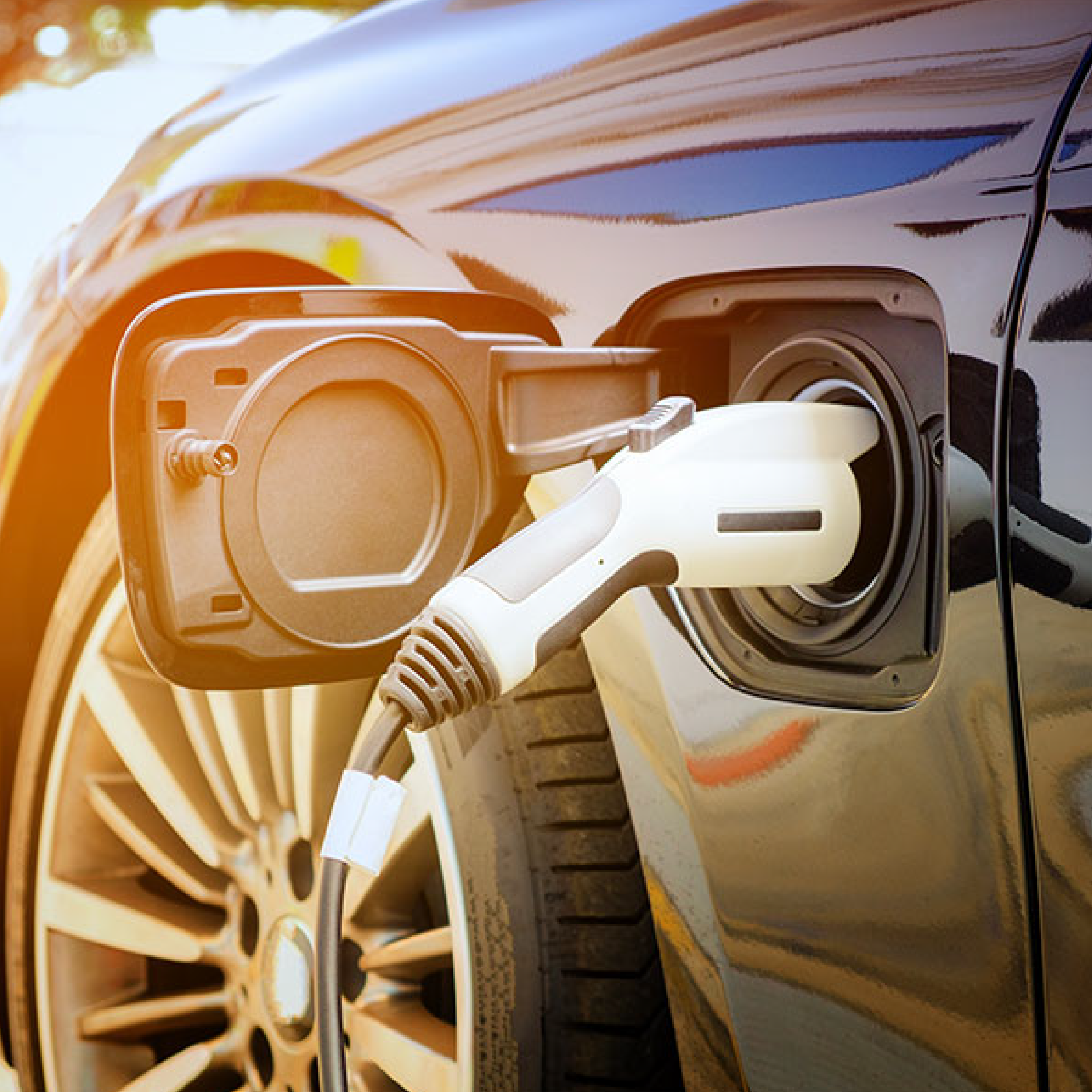
Everyone talks about the convenience of having an EV charger at home—but not one mentions the real headache that comes with improper installation. The truth is, getting the setup wrong is easy—whether you’re dealing with incompatible electrical systems, improper wiring, or faulty equipment.
But it doesn’t have to be that way. By paying attention to a few key details, you can avoid costly mistakes and make sure that your new charger runs smoothly for years. In this blog, we’ll identify the top mistakes you need to avoid during the installation process, ensuring you save money and enjoy peace of mind.
Understanding Your Home’s Electrical System Before Installing an EV Charger
Evaluate Your Electrical Panel Capacity
Electrical panels are only designed to support a certain amount of electrical load. Before installing your EV charger, determine the maximum capacity of your electrical panel. If it is not enough to support an EV charger along with all your other household appliances, you will need to first upgrade your electrical panel.
Consider Breaker Size
When installing an EV charger, your breaker size must be large enough to support the maximum amperage of the charger. Your EV charger installation manual will typically tell you the lowest breaker size that can handle the load of your charger. If your current breaker is not large enough, consult with a professional to get it upgraded.
Check for Dedicated Circuits
Most EV chargers require a dedicated circuit. If your electrical panel does not have a dedicated circuit, you will likely need to upgrade it to one that has a greater capacity. If you choose not to do this, you may experience tripped breakers, power outages, and even electrical fires.
How Do You Choose the Right EV Charger for Your Needs?
Understanding Your Vehicle’s Charging Requirements
There are many factors that go into determining the charger that your electric vehicle requires. Take into consideration your daily commute, other driving habits, and your charging habits before selecting your charger level. Also make sure to inspect your vehicle’s charging port to determine the type of connector that will be needed.
Factor in EV Charger Compatibility
A common misconception is that all EV chargers are compatible with all electric vehicles. Some vehicles are compatible with a level 1 charger, which is typically slower. However, some vehicles require level 2 chargers which need to be specially installed with a 240-volt circuit. Make sure that you know which EV charger your vehicle is compatible with before installation.
Consider Future Needs
Electric vehicle technology is constantly evolving, meaning that charging requirements are likely to change over time. Installing a system that can be upgraded as needed can be a cost-effective choice in the long run. Also consider installing wiring that will be able to support dual charging in the future, in case someone else in your household buys an electric vehicle.
Safety First: Avoiding Critical EV Charger Installation Mistakes
Hire a Licensed Electrician
When it comes to electrical matters, hiring a professional is always the safest option. A licensed electrician will be able to help you with every step of the way. Make sure to hire a professional that has experience installing EV chargers, not just a general electrician.
Ensure Proper Grounding
A proper grounding system helps prevent users from experiencing electrical shock and protects your equipment from electrical damage. It is also a requirement when installing EV chargers nationwide. A licensed electrician can help you with all the steps to make sure that your grounding system is properly installed.
Don’t Skip the Permits
In certain areas, permits are required to install an EV charger. While skipping obtaining the permits can initially save time and money, it can lead to major consequences in the long run such as:
- Fines
- Issues with homeowner’s insurance
- Failed home safety inspections
Where Should You Install Your EV Charger?
Avoid Tight Spaces
Before installing your EV charger, make sure that you properly measure the space where your car will be parked while charging. Ensure that after installing your charger, there will be the proper amount of clearance on all sides. Not leaving enough space can make it difficult to enter and exit your vehicle or maneuver around it while charging.
Cable Length and Reach
Installing an EV charger that is either too short or too far to reach the charging port of your vehicle can cause unnecessary strain on the charger and make it a hassle to plug in. However, a cable that is too long can become a tripping hazard and be difficult to store when not in use. It is important to measure the distance between where you want to place the charger and where your vehicle’s charging port typically is when parked to buy the correct length of cable.
Weather Protection
Inclement weather such as rain, snow, and high winds can all cause damage to your charger. However, did you also know that even extended exposure to the sun can also damage your charger? Ensure that your EV charger is installed in a location where it is protected from natural elements to prevent the need for quicker replacement.
Overlooking Maintenance and Updates for Your EV Charger
Inspect Regularly for Wear and Tear
It is important to inspect your EV charger every few weeks. This can help you spot damage as soon as it occurs and fix it before it becomes a safety issue. Do not attempt to fix any damage with DIY methods; always call in a professional to assess the damage and perform the necessary repairs.
When is it Time to Upgrade Your EV Charger?
If you decide to upgrade your electric vehicle or buy an additional one, consider upgrading your EV charging system along with it to ensure maximum efficiency. Make sure that your charging system is kept up to date and can properly support your new vehicle; if it can’t, then you may want to seriously consider an upgrade.
Consider Energy Efficiency
Consider installing an EV charger that is ENERGY STAR certified. These chargers use less energy during active charging and come in level 1, level 2, and level 3 chargers. They also help significantly reduce energy waste while the charger is in standby mode.
Install Your At-Home EV Charger Today!
We know how overwhelming installing an EV charger can feel, especially with all the things that can go wrong. But you don’t have to do it alone! Our team at All City Electric is here to help. Give us a call at (908) 497-9977 to see how we can safely and efficiently install your at-home EV charger today.